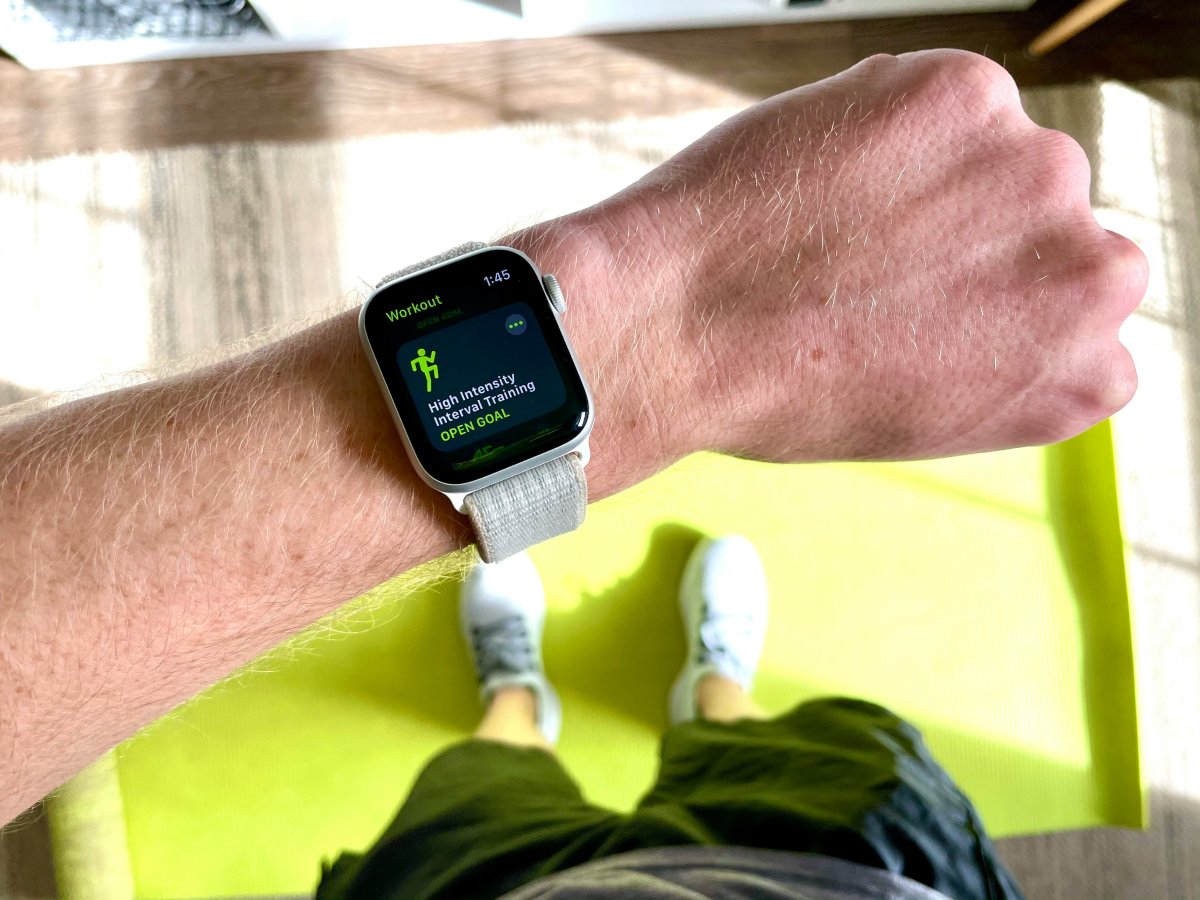
If you are wondering how should Apple Watch fit on your wrist, the best answer is simple: snug, comfortable and stable.
Your Apple Watch should sit flat against your skin without sliding around. It should feel secure, but not painfully tight. This matters because fit affects comfort, heart rate readings, workout tracking, sleep data and daily wear.
A good fit helps the sensors stay in contact with your skin. A bad fit can make the watch feel annoying and may lead to less accurate activity data.
The Ideal Apple Watch Fit
A proper Apple Watch fit should feel secure but relaxed.
The watch should stay in place when you move your wrist, walk, type or exercise. If it slides up and down your arm easily, your Apple Watch too loose issue may affect sensor readings.
At the same time, it should not leave deep marks, pinch your skin or feel uncomfortable. If your Apple Watch too tight problem causes pressure, redness or irritation, loosen the band.
The goal is balance: close contact without discomfort.
Wrist Position Matters
Apple Watch works best when it sits just above your wrist bone.
If it is too close to your hand, it may move more during workouts. If it is too far up your arm, it may feel awkward or less natural for daily use.
For most users, the best Apple Watch wrist position is slightly above the wrist bone, with the back of the watch touching the skin evenly.
Tighten It Slightly for Workouts
During workouts, your Apple Watch may need to be a little tighter than usual.
Running, cycling, strength training and fast movement can cause the watch to shift. A loose watch can affect heart rate tracking and workout data.
Before exercise, tighten the band slightly so the watch stays stable. After the workout, loosen it again for comfort.
This small adjustment can improve Apple Watch sensor accuracy without making the watch uncomfortable all day.
Keep It Comfortable for Sleep
Sleep tracking needs a different kind of comfort.
Your watch should still touch your skin, but it should not feel tight enough to disturb your sleep. If the band feels annoying at night, try a softer band or loosen it slightly.
If the watch moves too much while you sleep, sleep data may be incomplete. If it feels too tight, you may stop wearing it. The best sleep fit is secure but easy to forget.
Choose the Right Band
Your Apple Watch band fit can change the whole experience.
Sport bands and sport loops are good for workouts because they are easy to adjust. Softer bands may feel better for sleep. Some metal or leather bands may look better for daily wear, but they may not be ideal for exercise or overnight tracking.
If you get skin irritation, clean the band regularly, dry your wrist after sweat or water and give your skin breaks when needed.
Conclusion
Knowing how should Apple Watch fit on your wrist helps you get better comfort and better data.
Wear it snug enough to stay in place, but not so tight that it causes pressure or irritation. Tighten it slightly for workouts, loosen it for daily comfort and choose a band that fits your routine.
A good fit makes Apple Watch easier to wear and more reliable for heart rate, activity and sleep tracking.